For buyers seeking professional-grade skin resurfacing at home, a lactic acid peel can offer reliable exfoliation, improved texture, and more even tone. This guide highlights five top options, explains who each product is best for, and outlines practical buying considerations. Whether you’re targeting acne, hyperpigmentation, or signs of aging, these picks balance effectiveness with at-home convenience.
Summary at a glance: the table below compares the five selected lactic acid peel products and who they’re best for.
| Product | Best For | Strength | Notes |
|---|---|---|---|
| Dermalure Lactic Acid Peel 45% (1 oz) | Acne, discoloration, aging concerns | 45% | Medical-grade, level 3 pH 1.1 |
| Planet Eden 40% Lactic Acid Peel (1 oz) | Texture smoothing, sensitive-to-moderate exfoliation | 40% | Hydration-friendly, adjustable strength |
| Dermalure Lactic Acid Peel 45% (2 oz) | Same as above with larger quantity | 45% | Practical for regular use |
| goop 15% Glycolic Pads | Gentle daily exfoliation, glow | 15% glycolic (not lactic) | Occasional alternative for sensitive skin |
| Cellbone Lactic 40% Peel Gel | Immediate clarity, renewal | 40% | Peel gel format |
Dermalure Lactic Acid Peel 45% – 1 oz

Brand: Dermalure Store
- Ideal for acne, hyperpigmentation, and premature aging.
- Evens skin tone and minimizes discoloration across skin types.
- Effectively treats stubborn conditions like psoriasis and sun/environmental damage.
Who it’s best for: Individuals seeking a professional-strength peel at home with visible correction of uneven tone and rough texture. Choose this if you’ve already used at-home peels and want a stronger option under professional-grade guidance.
Limitation: Data notes a high-strength formulation; use requires careful handling and adherence to instructions to avoid irritation.
Planet Eden 40% Lactic Acid Peel – 1 oz
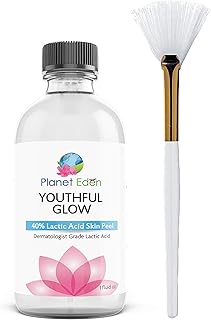
Brand: Planet Eden Store
- Spa-inspired exfoliation with a 40% lactic acid peel for resurfacing dull skin.
- Hydration-friendly AHA that maintains moisture while exfoliating.
- Customizable at-home peel with adjustable strength and timing.
Who it’s best for: Best for those seeking a strong yet comfortable at-home peel with adjustable intensity and a focus on hydration during use.
Limitation: The product relies on user-adjusted timing; beginners should start slow to gauge tolerance.
Dermalure Lactic Acid Peel 45% – 2 oz
Brand: Dermalure Store
- Same high-strength formula, but offered in a larger bottle for regular use.
- Addresses acne, hyperpigmentation, and aging signs with even tone results.
- Suitable for users already familiar with lactic acid peels.
Who it’s best for: Great for routines that require more product per session or for individuals with ongoing treatment plans seeking consistency and value.
Limitation: High concentration can increase irritation risk if overused or used too frequently.
Goop Beauty 15% Glycolic Pads

Brand: goop Store
- Night-time exfoliation with 15% glycolic acid and fruit extracts.
- Not a lactic acid peel; provides a gentle alternative for glow and texture improvement.
- Paraben, silicone, and artificial-dye-free formula.
Who it’s best for: Suitable for those seeking a gentler, nightly exfoliation option and who prefer a pad format over a liquid peel.
Limitation: Uses glycolic acid rather than lactic; results and feel may differ for lactic-specific goals.
Cellbone Lactic 40% Peel Gel
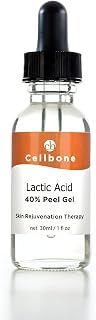
Brand: Cellbone Store
- Advanced skin rejuvenating peel with 40% lactic acid.
- Stimulates new skin cell growth and exfoliates dead cells for clarity.
- Gel format may feel different from liquid peels, offering a unique application.
Who it’s best for: Ideal for those who prefer a gel texture and aim for rapid surface renewal and brighter skin appearance.
Limitation: Gel formulations can have different absorption compared to liquid peels; follow specific usage directions to avoid over-exfoliation.
Buying Guide: Key Considerations For Lactic Acid Peels
What strength should you choose? Higher concentrations (like 40–45%) deliver stronger exfoliation and are typically best for experienced users with prior tolerance to peels. Lower strengths are gentler and better for first-timers or sensitive skin.
Which format fits your routine? Liquid peels and gels offer quick application, while pads provide convenient, pre-soaked single-use portions. Choose based on how you prefer to apply and manage frequency.
What’s your skin concern? For acne and hyperpigmentation, higher-strength lactic peels can address discoloration and texture. If you’re focusing on hydration and comfort, consider 40% strength with hydrating aids or a gentler option first.
How should you layer with other products? Avoid harsh actives on the same day as a peel. If using retinoids or strong Vitamin C, plan peels on separate nights or consult skincare guidance.
How often can you use peels? Start with a conservative schedule (e.g., every 2–3 weeks) and adjust based on skin response. Do not exceed recommended intervals without professional advice.
Are there safety considerations? Follow product-specific instructions, perform a patch test, and use sunscreen daily after peels to protect newly exposed skin.
FAQ
- What does a lactic acid peel do? It exfoliates the outer skin layer, helping to reduce roughness, improve texture, and even skin tone.
- Who should avoid high-strength peels? Individuals with active skin infections, very sensitive skin, or a history of poor wound healing should avoid high-strength peels or consult a professional.
- Can I use lactic acid peels with other active ingredients? It’s best to stagger usage with retinoids or strong antioxidants and avoid combining with other strong acids on the same day.
- Is lactic acid suitable for all skin types? Lactic acid is generally well-tolerated, including sensitive and dry skin, but concentrations and application times should be adjusted accordingly.
- How soon will I see results? Results vary; some users notice smoother texture after a single use, while more even tone may require multiple sessions over weeks.
- Do these products require professional supervision? Higher-strength formulations often benefit from professional guidance, especially for first-timers or those with skin concerns.