Finding the right tea tree moisturizer for the face depends on your skin type and goals. This guide highlights five top options, focusing on hydration, clarity, and soothing properties. Each product is suited to specific buyers: those with dry or irritated skin, oily or acne-prone complexions, sensitive skin, and patchy redness. Use this overview to compare ingredients, benefits, and limitations, helping you choose the best tea tree moisturizer for your routine.
Product Overview
The table below summarizes the five featured products to help you quickly compare who they’re best for and the key benefits. This quick reference supports the detailed sections that follow.
| Product | Best For | |
|---|---|---|
| NOVEHA Tea Tree Oil Anti Wrinkle Eye Cream | Dry or itchy eye area; daily hydration | Intense hydration with tea tree oil and vitamins |
| Era Organics Tea Tree Oil Face Cream | Oily, blemish-prone skin | Balancing and purifying with salicylic acid and green tea |
| Tea Tree Calming Cream for Acne-Prone & Sensitive Skin | Sensitive or reactive skin | Calming complex with cica and ceramides |
| Neem Cream for Oily, Acne-Prone Skin | Oily skin; daytime use | Purifying formula for shine control |
| Majestic Pure Tea Tree Face Cream | Dry to normal skin seeking hydration | Deep moisturization with ceramides and vitamins |
NOVEHA Tea Tree Oil Anti Wrinkle Eye Cream

Best for: Dry or irritated eye skin needing hydration. This eye cream combines tea tree oil with vitamins B5 and E to moisturize and soothe. The formula aims to calm redness and provide a refreshed look around the eyes. A lightweight texture makes it suitable for daily use without heaviness. Caution: product is designed for the eye area; avoid contact with eyes if irritation occurs.
Era Organics Tea Tree Oil Face Cream

Best for: Oily, blemish-prone skin that benefits from balancing oils and purifying ingredients. This cream blends tea tree with salicylic acid, green tea, and zinc to help manage shine and support pore refinement. It emphasizes a non-greasy feel while promoting clearer skin. Limitation: active exfoliation may be noticeable for sensitive skin during initial use; monitor for dryness or irritation.
Tea Tree Calming Cream for Acne-Prone & Sensitive Skin
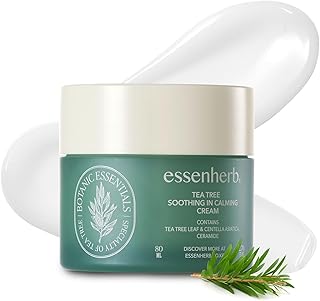
Best for: Sensitive or reactive skin that needs redness reduction and soothing care. The formulation includes a dual tea tree complex, cica, Madecassoside, ceramide barrier care, and panthenol to help calm irritated skin while maintaining moisture. Use if you prefer a soothing, barrier-supporting option. Limitation: the calming claims rely on botanical actives; results vary by skin sensitivity.
Neem Cream for Oily, Acne-Prone Skin

Best for: Oily and acne-prone skin that needs daytime hydration with purifying action. This cream emphasizes a purifying profile to control shine while supporting a balanced complexion. Caution: Neem-based formulas can interact with certain skin sensitivities; patch testing recommended before full-face use.
Majestic Pure Tea Tree Face Cream

Best for: Drier or normal skin seeking deep hydration with a tea tree boost. The formula highlights ceramides and vitamins A and E to support moisture retention and skin barrier health. It is positioned as a hydrating option that can help reduce dryness-related texture. Limitation: heavier than lighter gels, so it may feel richer for very oily skin; consider layering if your routine is oil-controlled.
Buying Guide
Key purchase considerations to help you choose the best tea tree moisturizer for your face:
- Skin type compatibility: Identify whether you need hydration, oil control, or gentle soothing. Some formulas are more oil-balancing, while others emphasize moisture and barrier support.
- Active ingredients: Tea tree oil is common, but look for complementary actives such as salicylic acid, green tea, zinc, ceramides, and panthenol that match your concerns (acne, redness, dryness, or sensitivity).
- Texture and finish: Lightweight gels are typically better for oily skin; creams provide richer moisture for dry or mature skin. Consider layering with serums if you need targeted treatments.
- Sun exposure considerations: If using during the day, ensure an SPF in your routine or apply sunscreen separately, especially when mineral or chemical sunscreens are involved.
- Patch testing: Tea tree-based products can irritate sensitive skin; perform a patch test on a small area before full-face use.
Why choose a tea tree moisturizer?
Tea tree oil offers antibacterial and anti-inflammatory properties that can help with blemishes and redness. When paired with hydrating agents and barrier-supporting ingredients, these products aim to balance moisture while addressing common concerns like oil shine and irritation. The best option depends on your skin’s hydration needs and its tolerance for active cleansing ingredients such as salicylic acid.
How to incorporate into a routine
Begin with a clean face, then apply a pea-sized amount of moisturizer to cheeks, forehead, and chin. Gently massage until absorbed. If using a product with exfoliating actives, start with every other day and monitor skin response. Follow with sunscreen in the daytime to protect treated skin from UV exposure.
Frequently Asked Questions
- Are tea tree moisturizers suitable for sensitive skin?
Yes, but choose formulations with soothing actives like ceramides, panthenol, or cica and perform patch tests to ensure tolerance.
- Can tea tree oil cause irritation?
Some individuals may experience irritation; this is more likely with higher concentrations. Start with small amounts and observe any redness or stinging.
- Should I use a tea tree moisturizer if I have eczema?
Consult a dermatologist first. Tea tree can help with inflammation for some, but it may irritate others depending on the formulation.
- Is a separate exfoliant required when using these moisturizers?
Not always. Some include gentle exfoliants like salicylic acid. If not, you may layer a mild exfoliant on alternate days if your skin tolerates it.
- Do these products replace sunscreen?
No. Sunscreen is still necessary during daytime to protect skin from UV damage, especially when using actives that may increase photosensitivity.